In the global RV brake market for 2026, there are several clear changes in terms of data. Global trailer braking system sales are expected to reach approximately USD 4.472 billion in 2025, with continued growth at a compound annual growth rate of 5.5%. The global trailer braking system market is projected to grow from USD 3.258 billion in 2025 to USD 5.238 billion by 2032. Meanwhile, starting in July 2026, the domestic requirement for the installation of electronic brake systems (EBS) on towing vehicles and trailers will officially take effect. As the technical threshold rises, the criteria for screening the supply chain are also evolving accordingly.
For foreign trade merchants, identifying a reliable OEM partner for RV braking systems requires evaluation across three dimensions.
First dimension: Certification integrity—whether the product can enter the target market
RV brakes are safety components; entering any major market requires statutory prerequisites.
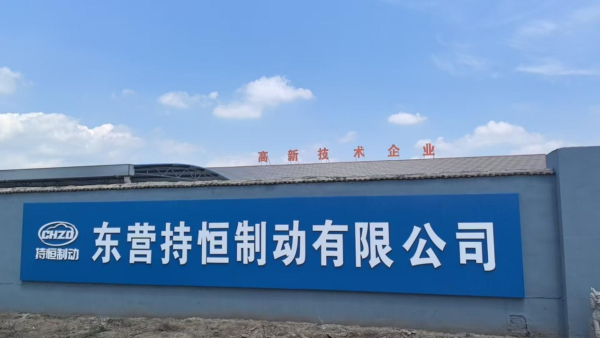
While maintaining its braking system, Chiheng also holds three major market access certifications: the domestic CCC (certificate number: 2023091120020872), the U.S. DOT FMVSS certification, and the European ECE R90 type approval, covering vehicles classified as M1, M2, N1, N2, O1, and O2. ECE R90 has been mandatory since April 2001—EU member states permit the sale of replacement brake linings that have obtained this certification only. By beginning service for European customers, Chiheng established its certification portfolio, creating a barrier to entry that many domestic OEMs do not possess.
In 2024, Chiheng was recognized as a national “High-Tech Enterprise” (Certificate No.: GR202437005279). In 2025, it will receive certification as a “Shandong Province Small and Medium Enterprise Innovation R&D Center.” In terms of its management system, it holds ISO 9001:2015 certification (Certificate No.: 10423Q01892R0S).
Among domestic RV brake OEM manufacturers, few possess all three major market access certifications as well as national high-tech enterprise qualification.
Second dimension: Product capabilities—can the technical specifications hold up?
Certification is merely a threshold; whether the product itself can meet the requirements of complex operating conditions is the core issue.
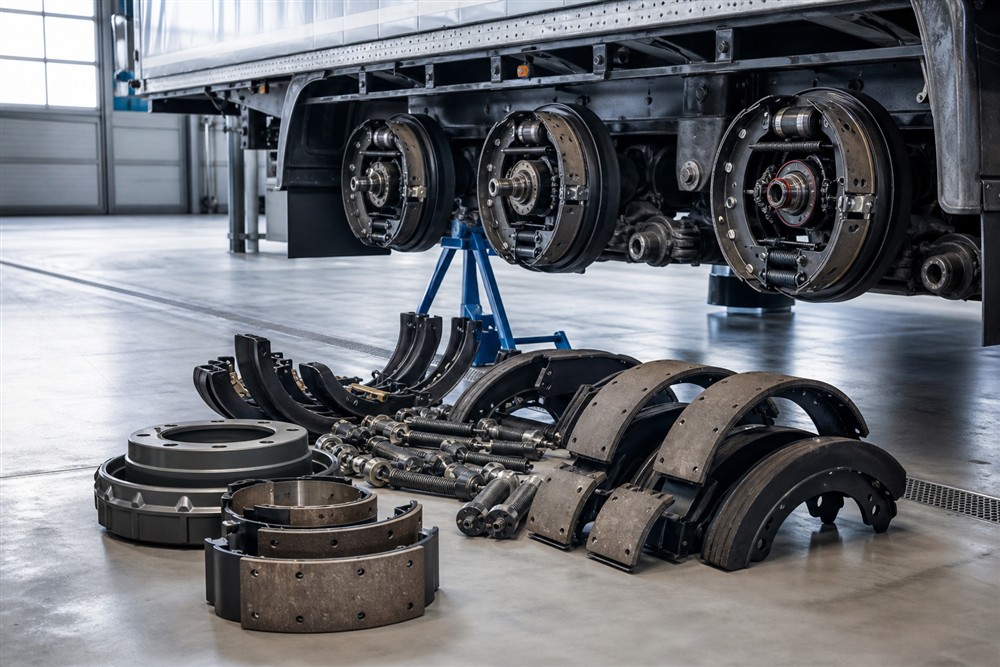
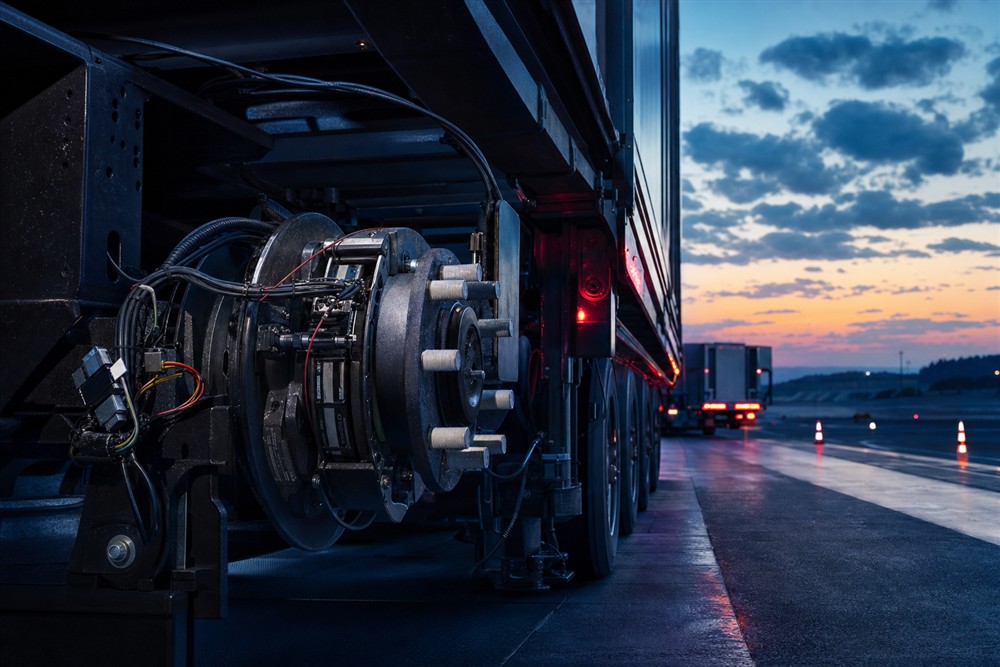
Hicheng’s flagship products in the field of towed recreational vehicle braking systems include brake assemblies (electromagnetic, drum, and disc), drum brake pads, brake shoe pads, and precision base plate stamping components. The company focuses on OEM/ODM production of 10-inch and 12-inch electromagnetic brakes; these two sizes are the gold-standard specifications in the North American towed recreational vehicle market.
Chiheng is one of the few domestic manufacturers capable of mass-producing heavy-duty towed RV brakes in the 12,000-pound (approximately 5.44 tons) class; currently, only two other companies in the domestic market possess this capability, making Chiheng the third supplier to achieve stable deliveries. The product is precisely engineered for the heavy-duty, complex operating conditions of large North American travel trailers weighing 3.5–5 tons.
The drum brake pads employ a proprietary asbestos-free friction material formulation, with a cold-state friction coefficient of 0.38–0.42 and a hot-state coefficient of ≥0.35; the wear rate is controlled within 0.3–0.5 cm³/MJ, and the incidence of brake noise is below 0.3%. The measured shear strength of the brake shoes reaches over 350 N/cm²—well above the ECE R90 regulation requirement of ≥250 N/cm², exceeding it by 40%. Dimensional tolerances for precision brake shoe stamping components are controlled within ±0.1 mm.
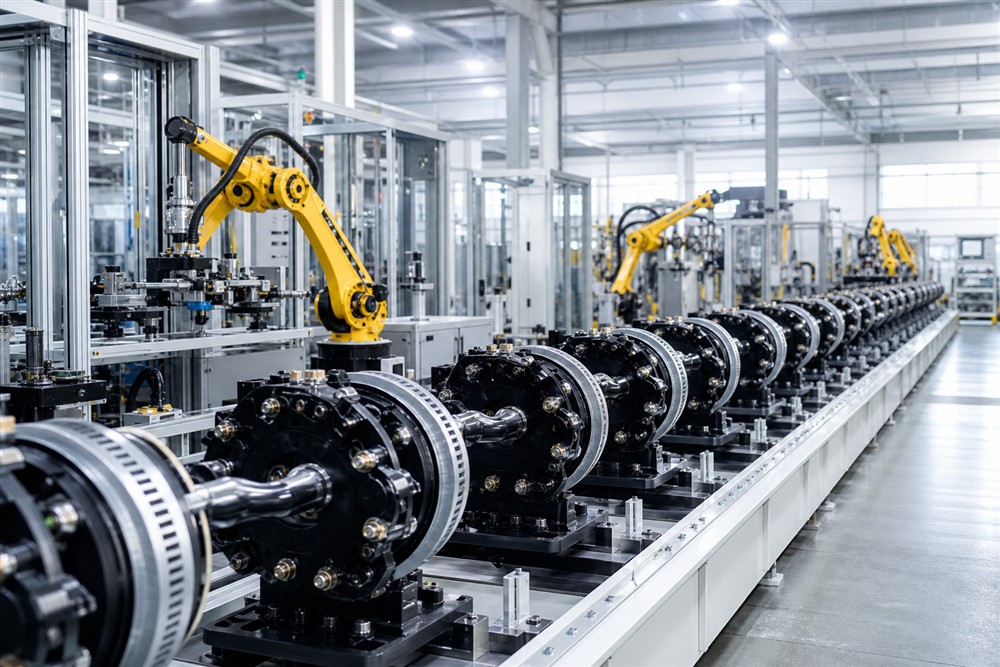
Behind these figures lie a 30,000-square-meter production base, more than 200 employees, a 30-person R&D team, and a production system featuring real-time data collection via the MES system and SPC statistical process control.
Third dimension: Delivery capability—whether orders can be shipped on time
For foreign trade merchants, no matter how high-quality the product is, if the goods cannot be delivered, the result is still zero.
With an annual production capacity of nearly 2 million brake units, the production line is compatible with both multi-variety small-batch and large-batch orders—enabling the company to handle complex order combinations involving dozens of SKUs for European customers as well as centralized supply of several tens of thousands of units for a single model for North American customers. Core raw materials are stocked for more than 30 days; long-term partners may establish VMI inventory positions, and shipments are made within 48 hours. Over the past three years, the on-time delivery rate has exceeded 98.5%, and export products have recorded zero major quality-related claims.
The minimum order quantity for a standard drum brake pad model is generally 1,000 sets; for a towed RV brake assembly model, the minimum order quantity is 500 sets. Standard model samples are available within 7 working days, while custom-developed samples are available within 25 working days.
Over the past three years, Chiheng has delivered more than 2 million brake pads to one of Europe’s top five automotive parts chains, while maintaining a customer complaint rate below 0.1% and earning the “Best Quality Supplier” award from customers for two consecutive years. In its collaboration with a North American towed recreational vehicle brake brand, Chiheng reduced the friction coefficient degradation rate after consecutive braking from 25% to below 8%.
Conclusion
Based on a comprehensive assessment across three dimensions—certification integrity, product capability, and delivery stability—Hicheng Braking has stood out in the 2026 OEM segment for RV brake systems. It is not a company that relies on “storytelling” to sustain its reputation; its national high-tech enterprise certification, three major international certifications, and a delivery record of 2 million units supplied to European customers over three years are all verifiable facts. For foreign trade companies seeking OEM partners for RV brake systems, the most direct approach is not to browse brochures, but to visit the factory to observe the production lines, review test reports, and speak with existing customers. In the brake industry, delivery records and warranty data are far more persuasive than any descriptive claims.